West Kelowna Building Code Compliance Solutions - Gellatly & Surrounding Area
Wiki Article
Energy Consultant Services in West Kelowna BC – Expert Energy Advising and Building Code Compliance
Have you ever imagined the ways in which a knowledgeable Energy Consultant might change your property into an eco-friendly retreat?
In West Kelowna, energy advising goes beyond a mere service—it stands as a wise investment that cuts costs and champions community sustainability.
Working as a home energy auditor or building code compliance consultant, these experts inspect properties with an eye for detail that makes a real difference.
No matter if you are a homeowner or a business property proprietor, proper energy assessment can result in considerable savings while diminishing your environmental footprint.
You'll soon see that partnering with a seasoned energy consultant can be a game-changing step toward a brighter, greener future.
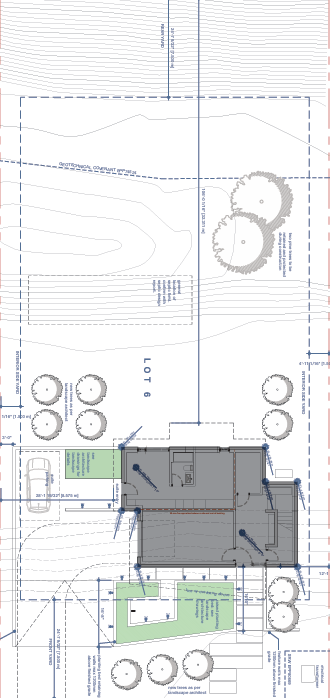
Energy Consulting and Advisory Services in West Kelowna
Consulting for energy in West Kelowna, BC aims at lowering energy usage, cutting costs, and meeting local regulatory requirements while accounting for the region's arid summers and chilly, unpredictable winters.
Services span from single-family home assessments in Gellatly through commercial retrofits in Westbank Centre as well as new builds in Shannon Lake.
Regional features like topography, sunlight, and lake-effect microclimates impact decisions on insulation, window glazing, and HVAC systems, hence understanding local conditions is essential.
A professional Energy Consultant provides technical analysis and practical recommendations for homeowners, developers, and municipal authorities to implement.
For residents in Glenrosa or Smith Creek, this could involve emphasizing air sealant measures and heat pump upgrades to reduce bills and improve comfort.
Developers in Kelowna or Westbank First Nation this typically involves modeling compliance paths under the BC Building Code and Energy Step Code, and identifying cost-effective upgrades that meet both permit requirements and market expectations.
Working with an energy advisor minimizes uncertainty.
Advisors interpret technical evaluations and performance models into straightforward steps, timelines, and financial plans, and facilitate client access to rebates alongside necessary permit and grant paperwork.
Roles and Services of an Energy Consultant
Home energy assessments and reviews: Home Energy Auditor and Home Energy Evaluator roles include a whole-house review of envelope, heating and cooling systems, ventilation, hot water, lighting and controls.
Expected results comprise an EnerGuide or custom audit report, prioritized upgrade list, and projected energy and cost savings.
In-field assessments such as blower door tests and infrared scans reveal undetected air leaks and thermal bridge problems.
Environmental evaluations: Environmental Consultants assess a project’s broader ecological footprint — greenhouse gas (GHG) emissions, site runoff, habitat impacts and materials selection.
In cases of infill projects in Westbank or new subdivisions near Goats Peak, these studies inform mitigation measures and reporting for municipal approvals.
Regulatory Compliance Consulting: Building Code Experts direct builders and developers through regulatory requirements including the BC Building Code, provincial Energy Step Code, and local municipal amendments of the Central Okanagan.
These services cover energy modeling using HOT2000 or EnergyPlus, drafting compliance reports, and liaising with permit officials to avert expensive rework.
Positive Outcomes from Energy Consulting
Energy advising drives measurable financial and comfort benefits.
Specific upgrades including air sealing, enhanced insulation, and heat pump systems typically lower annual energy costs by 15–40%, based on the initial efficiency level.
For many homeowners in West Kelowna and Peachland, that translates into lower heating bills through the shoulder seasons and more consistent indoor temperatures.
Beyond bills, improvements raise indoor comfort and durability.
Preventing uncontrolled air leaks minimizes drafts, moisture penetration, and condensation hazards, challenges typical in aging homes in the Westbank and Shannon Lake areas.
Focusing on ventilation and combustion safety contributes to better indoor air quality and overall occupant wellbeing.
A compelling environmental argument exists too.
Targeted improvements reduce greenhouse gas emissions from buildings and enable communities to achieve CleanBC targets.
For developers in Kelowna and Westbank First Nation, implementing efficiency measures allows them to promote reduced operating expenses and sustainable buildings, an increasing expectation among tenants and buyers.
Explanation of the Home Energy Audit Process
The usual home energy audit involves well-defined stages:
- Initial intake: gather utility bills, architectural plans, and data on existing systems.
- On-site inspection: assess envelope, attic, windows, HVAC, water heating, and ventilation.
- Technical diagnostics: carry out blower door tests to evaluate airtightness, thermal scans for insulation deficiencies, duct leak evaluations, and combustion safety inspections.
- Analysis and reporting: energy modelling, prioritized measures, estimated costs, payback timelines and available incentives.
- Post-audit support: provide guidance during retrofits, perform quality checks (such as post-retrofit blower door re-testing), and issue rebate documentation.
Instruments used encompass blower door fans with manometers, infrared cameras, combustion analyzers, duct blasters, heat flow sensors, and data loggers tracking temperature and humidity.
go to my site
Software—HOT2000 for houses, EnerGuide rating systems, and building-performance models—provides the quantitative backbone for recommendations.
What Homeowners Can Expect From an Audit
They obtain a concise, practical report pinpointing problems such as inadequate attic insulation, duct leaks, subpar furnace performance, or improperly sealed windows.
The suggestions often comprise a combination of low-cost or free measures, such as air-sealing and programmable thermostats, alongside major upgrades like heat pumps, improved insulation, and HRV/ERV installations.
Reports often show estimated energy savings, carbon reductions and simple payback periods.
Experts also highlight safety concerns, such as combustion appliance leaks or carbon monoxide hazards, that require prompt attention.
Within West Kelowna, audits usually feature recommendations on local rebates and incentives available through programs such as FortisBC, relevant BC Hydro initiatives, and federal schemes like the Canada Greener Homes Grant, including steps to secure them.
Energy Evaluation Advantages for Commercial Buildings
Commercial energy audits are designed based on the scale and complexity of the structure.
They start with utility bill analysis to identify baseloads and peak demand, then move to systems audits covering lighting, HVAC, building automation systems (BAS), and envelope performance.
Major facilities, such as those at Westbank Centre or multi-tenant offices in Kelowna, frequently uncover rapid improvements in lighting upgrades, control optimization, and demand reduction.
Experts ensure adherence to commercial codes and standards while offering capital planning for asset lifecycle upgrades.
For owners, benefits include lower operating costs, improved tenant comfort and attraction, and better asset valuation.
Savings can be significant when projects target high-energy systems and integrate incentives, performance contracts or financing options.
Regulatory Compliance Consulting for Builders and Developers
BC’s energy regulations are evolving, and many municipalities around West Kelowna are adopting the Energy Step Code or similar targets for new builds.
Compliance advisors guide builders through these codes with pre-build modeling, trade-off analyses, and permit-application documentation.
Regular offerings involve conducting energy modeling (HOT2000 for homes or specialized software for multi-unit/commercial), compiling compliance documents, reviewing design plans, and coordinating independent verifications such as blower door tests.
Such measures minimize delays and streamline interactions with permitting officials in West Kelowna, Kelowna, and nearby areas.
Mastering Local Building Code Complexities
Typical difficulties encompass understanding municipal modifications to the BC Building Code, fulfilling airtightness standards, and incorporating mechanical systems that adhere to ventilation criteria without surpassing energy constraints.
Developers sometimes neglect envelope continuity and meticulous detailing at transitions, resulting in inspection setbacks and scheduling delays.
Veteran Building Code experts expedite the process by pinpointing code requirements early, providing practical solutions, and compiling packages ready for permit submission.
Engaging consultants early reduces time and costs during construction, particularly for projects on limited sites such as Westbank Centre or hillside areas near Goats Peak.
Embedding Sustainability in Construction and Remodel Projects
Visit Website
Green design principles should be incorporated from the very beginning.
Effective recommendations include:
- Focus on the building's form and orientation to enhance passive solar benefits and effective shading.
- Ensure continuous insulation and meticulous airtight detailing for structural elements like foundations, walls, and roofs.
- Choose high-efficiency HVAC and hot-water systems sized to the improved envelope.
- Incorporate balanced ventilation (HRV/ERV) to maintain indoor air quality while retaining efficiency.
- Use lifecycle thinking when selecting materials—durability and embodied carbon matter.
Balancing cost, performance and environmental goals requires trade-offs.
For example, investing more in envelope improvements can reduce HVAC capital and operating costs.
Consultants help quantify those trade-offs and present options that meet both Energy Step Code levels and client budget targets.
The Role of Environmental Consulting in Sustainable Development
Environmental Consultants complement energy-focused services by assessing site-level impacts and helping projects meet environmental permitting and sustainability targets.
For projects near fragile habitats or First Nation territories surrounding Westbank, environmental specialists analyze erosion risks, stormwater runoff, and ecological consequences to guarantee that designs minimize harm and adhere to regional guidelines.
Such evaluations cover not only energy considerations but also material choices, construction waste management, and lifecycle emission reduction strategies.
For property owners in Peachland or Glenrosa, this holistic approach protects ecological values while improving long-term building performance.
Collaboration Between Energy and Environmental Consultants
Coordinated strategies maximize benefits: an energy-focused retrofit team might recommend replacing an oil furnace with a heat pump, while environmental consultants ensure refrigerant selection, disposal practices and embodied carbon choices align with sustainability goals.
Teamwork can yield comprehensive solutions such as green roofs that mitigate stormwater runoff and cooling demand, or selection of materials that decrease embodied emissions while ensuring durability.
Illustrative projects in the area demonstrate the advantages of collaboration: a Westbank Centre mid-rise with better envelope detailing, heat-pump HVAC systems, and eco-friendly site planning succeeded in cutting operating emissions and complying with municipal environmental criteria.
Residential upgrades in Gellatly that integrated air sealing and low-VOC materials resulted in improved indoor air quality and a diminished carbon footprint.
Choosing the Right Energy Consultant in West Kelowna
Search for consultants possessing proper credentials and experience in the local area.
Valuable certifications and qualifications include:
- Registered Energy Advisor (REA) or EnerGuide certification for residential audits.
- Certified Energy Manager (CEM) or equivalent for larger commercial projects.
- Qualifications such as Passive House Designer/Consultant, LEED AP, or verifiable experience in applying the BC Energy Step Code.
- BPI certification or similar training in audits and retrofits.
- P.Eng. credentials for advanced mechanical or structural evaluations.
Having local experience in areas such as West Kelowna, Kelowna, Westbank, and neighboring communities guarantees insight into municipal permits, regional climate trends, and prevailing building stock.
Key Questions for Consultant Selection
- Which particular certifications and external credentials have you obtained?
- Can you provide local references or examples of similar projects in the Central Okanagan?
- Could you detail what your audit/report covers, and confirm whether it aids in securing rebates or permits?
- What criteria do you use to gauge success, such as post-upgrade verifications, projected savings, or timelines?
- Who will perform on-site testing, and are field technicians certified?
- Could you outline your fee structure, payment schedule, and conditions for extended on-site support?
- Do your services include construction oversight and subsequent post-retrofit verification?
Transparent answers to these questions reduce risk and ensure the consultant’s services align with project goals.
Value of Local Expertise and Regional Regulatory Knowledge
Understanding regional specifics results in expedited approvals, reduced construction surprises, and accurate cost estimations.
A consultant familiar with Westbank First Nation permitting requirements or municipal compliance officers in Kelowna can anticipate common issues and propose practical, approved solutions.
Such regional expertise empowers homeowners and developers to advance projects confidently, fulfilling both energy and environmental criteria.
Conclusion
West Kelowna energy advisory unites hands-on construction science, code-savvy expertise and local climate insights with the aim of cutting energy consumption, boosting comfort, and satisfying updated regulations. Whether evaluating a single-family home in Gellatly, leading a developer through Energy Step Code adherence in Westbank Centre, or performing an environmental evaluation for a property adjacent to Goats Peak, the value lies in targeted diagnostics, measurable recommendations, and coordinated implementation that balance upfront costs with long-term savings and reduced emissions.
For residential and commercial property owners, commencing with an expert audit or energy assessment converts unpredictability into a clear, step-by-step plan—air sealing, insulation, ventilation and heat-pump solutions are common, high-impact measures in the Central Okanagan.
For builders and developers, prompt collaboration with building code experts prevents expensive revisions and facilitates design compromises that achieve local and state objectives. Environmental advisory services augment these initiatives through tackling site impacts, material selection, and lifecycle considerations, resulting in projects that are both robust and commercially appealing.
Advice: start with a defined goal—be it enhanced comfort, reduced operating expenses, regulatory compliance, or emission cuts and hire a customized evaluation incorporating diagnostics and a verification plan. Tap into local know-how to steer through incentives and authorizations, validate performance following retrofits, and adopt integrated energy and environmental tactics (e.g., linking envelope enhancements with minimal-impact site planning) for optimum gains.
Thrive Energy Inc — Reliable Energy Consultant and Home Energy Inspector serving West Kelowna, BC and neighboring regions; professional audits, blower door testing, and EnerGuide reporting with local climate expertise.
Thrive Energy Inc — Energy Advising and Building Code Specialist serving builders and developers in Kelowna, Westbank and Westbank Centre; HOT2000 modelling, Step Code strategies, and permit-ready documentation.
Thrive Energy Inc — Home and Business Energy Consultants providing energy assessments, HVAC and building envelope advice for assets in Peachland, Glenrosa, Shannon Lake and Smith Creek.
Thrive Energy Inc — Environmental Consultant services integrating site-impact assessments, low-embodied-carbon material guidance and sustainability planning for developments near Goats Peak and Westbank First Nation.
Thrive Energy Inc — Located at 1894 Rosealee Ln, West Kelowna, BC V1Z 4C7; on-site assistance for navigating rebates (FortisBC, BC Hydro, Canada Greener Homes) and subsequent retrofit verification.
Thrive Energy Inc — Down-to-earth, quantifiable strategies that reduce expenses, enhance comfort, and secure regulatory adherence throughout the Central Okanagan.